





Why remain chaste until marriage?
Remaining chaste until marriage is a choice that sparks debate. For some, it is a personal decision. For others, it is a matter of religious or cultural beliefs. Let’s explore the reasons behind this practice.
A decision rooted in religious and cultural values
In many religions, chastity before marriage is a virtue. Christianity, Islam, and Judaism value it. It symbolizes respect for divine teachings. For believers, this practice strengthens their spiritual bond. It also shows a commitment to their faith. This can create a solid foundation for the couple.
Chastity before marriage is often seen as an act of purity. It prepares individuals for a sacred union. In some cultures, this practice is a social norm. It reflects respect for family traditions. It strengthens ties with the community. For others, it is a way to stand out. They choose this path to assert their independence from modern expectations.
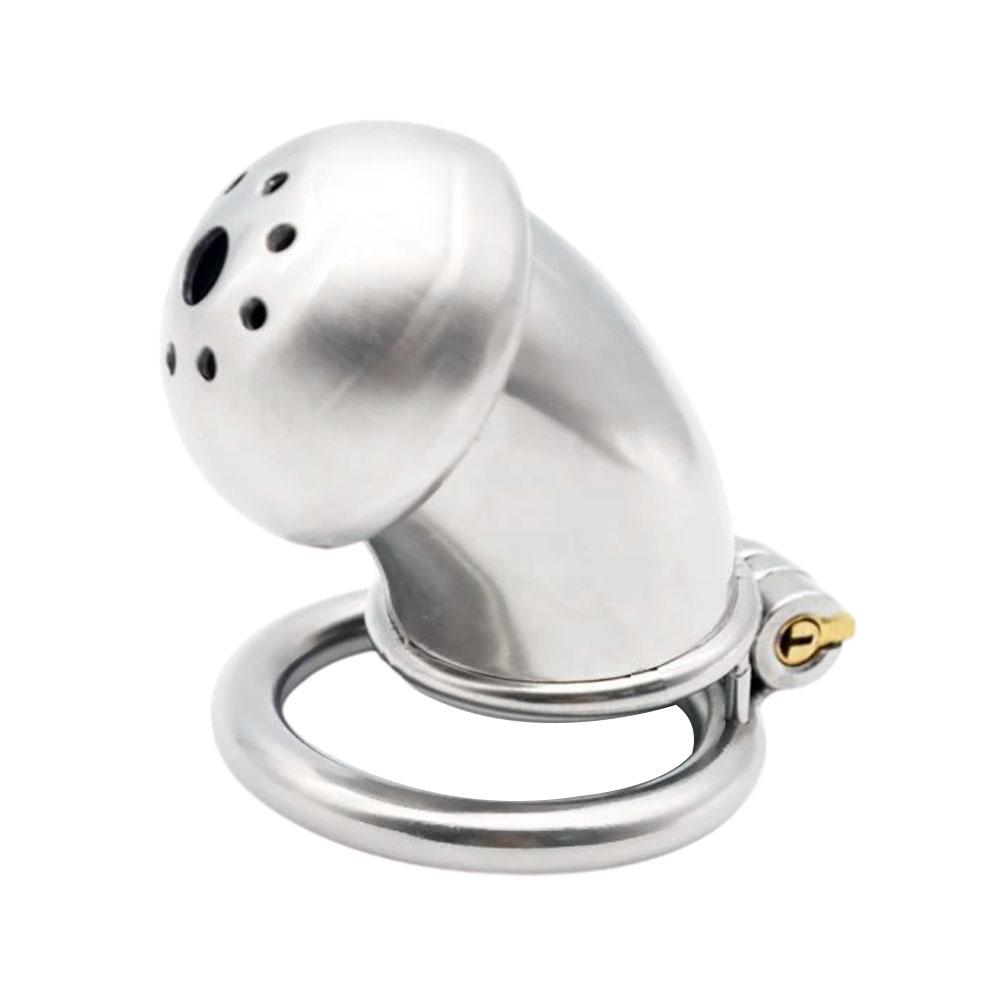
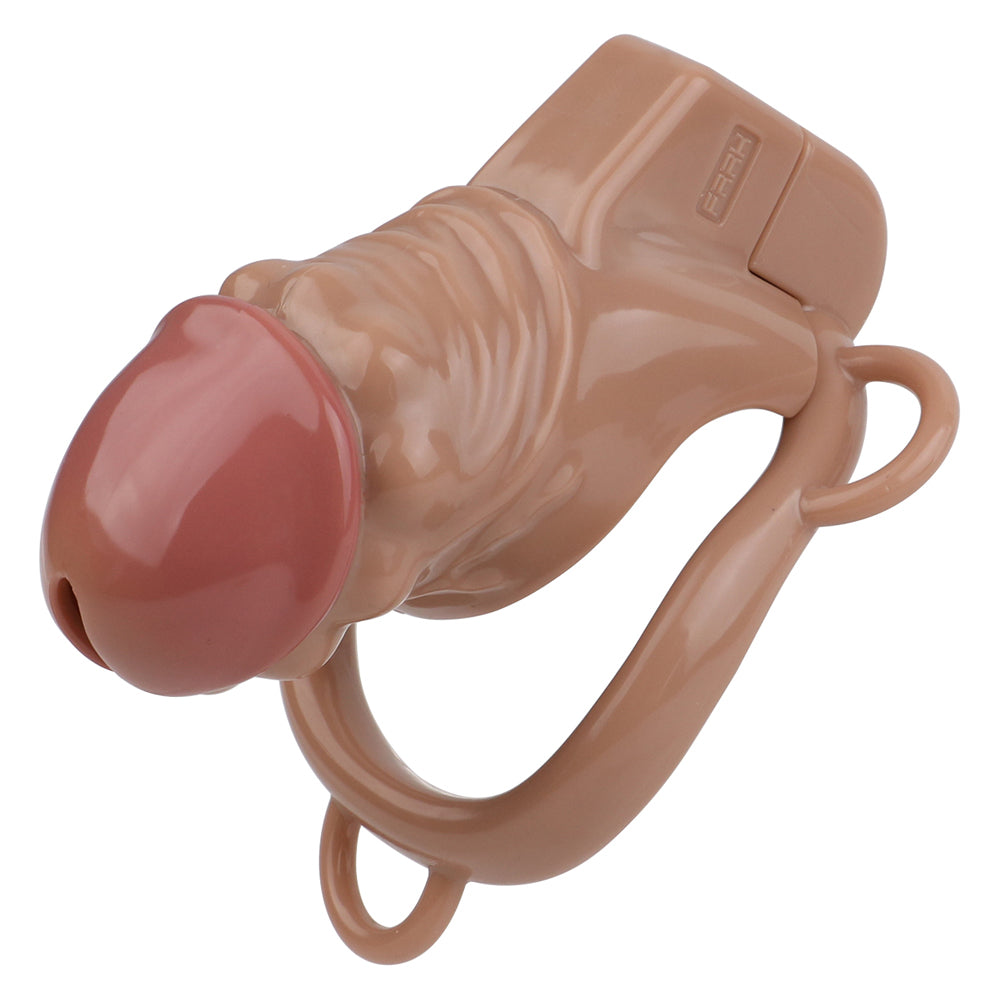
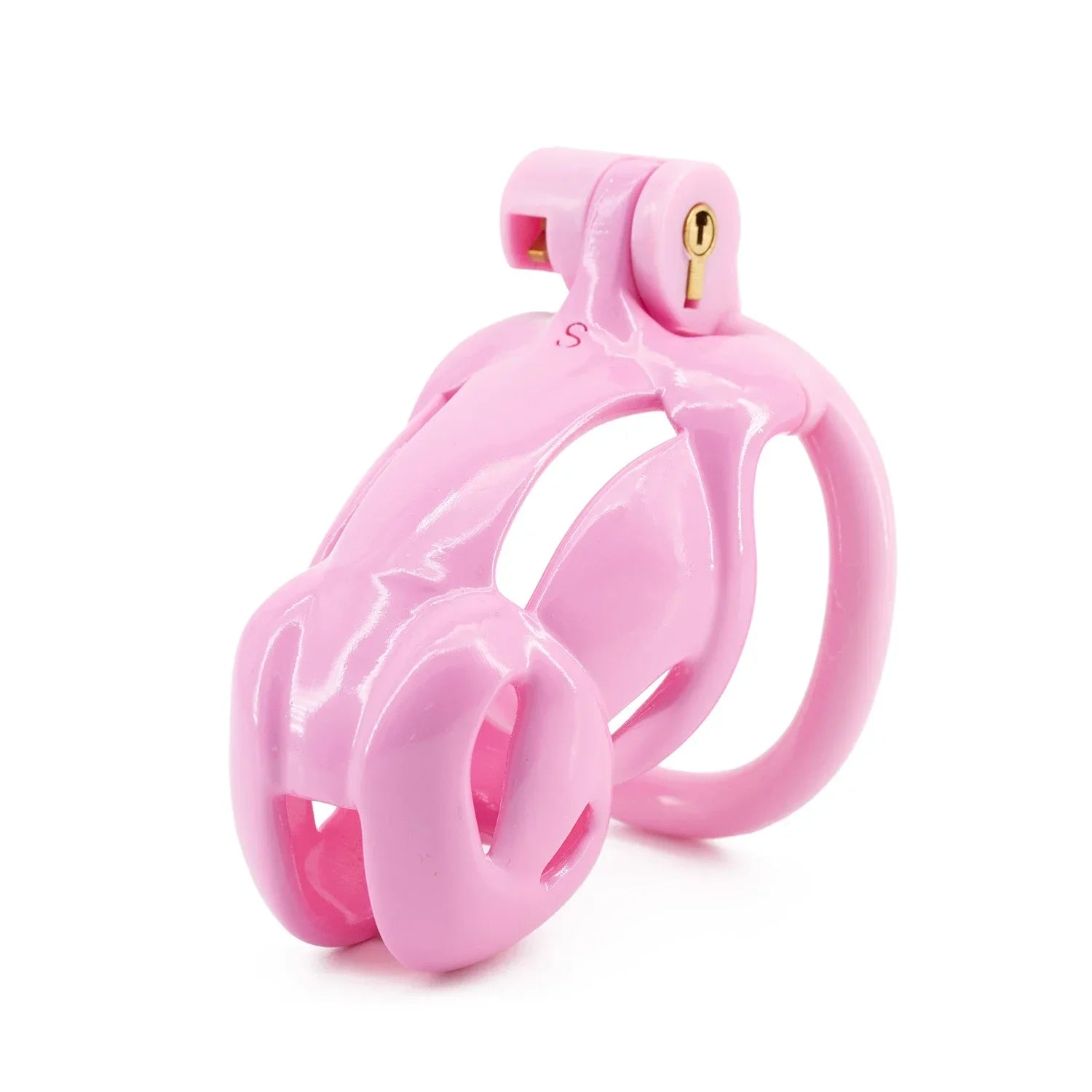
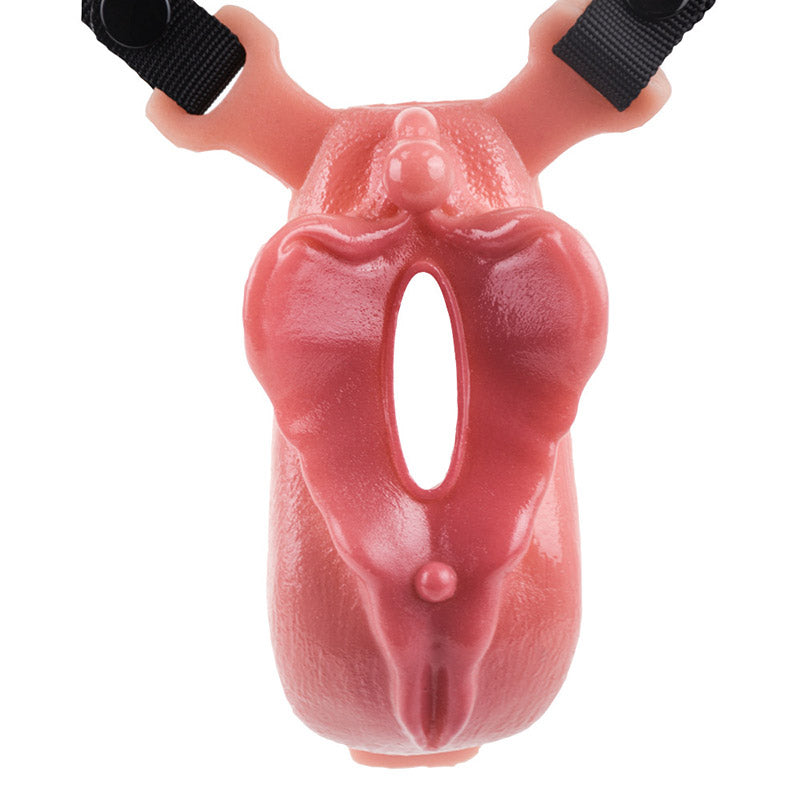
For men, the object used to remain chaste is the chastity cage, which comes in different models and sizes. There is the classic short model, which is made of metal.
Strengthening the relationship and preserving well-being
Remaining chaste until marriage strengthens the emotional connection. Couples get to know each other without the influence of physical intimacy. This promotes deeper communication. Partners build a relationship based on trust and respect. While waiting for marriage, they value other aspects of their relationship. This includes friendship, shared values, and life plans.
Physically, chastity reduces the risk of unwanted pregnancies. It also limits exposure to sexually transmitted infections (STIs).
Emotionally, it prevents the hurt associated with early or unstable relationships. This allows couples to better prepare for a lasting union.
For some, it is a way to preserve their mental well-being. They avoid the social pressures associated with sexuality.
A personal and thoughtful approach
Remaining chaste until marriage is also a personal choice. It reflects a desire to live in accordance with one’s values. It allows one to focus on other aspects of life. This includes studies, career, or spiritual development.
For some, it is a way of respecting oneself. It shows discipline and self-control. This practice can also be an act of self-empowerment. It allows individuals to regain control of their bodies and their choices. It appeals to those who seek to live in harmony with their beliefs. It can strengthen the emotional connection in a couple.
Remaining chaste until marriage can also be a response to social pressures. In a world where sexuality is often emphasized, this choice becomes an affirmation of one’s own priorities. For some, it is a way to protect themselves from rushed relationships. It allows them to better assess compatibility with a partner before committing.
This practice promotes better self-esteem. It shows that you value your body and your choices. It allows you to refocus on non-sexual relationships. This includes friendship, family, or personal passions.
