





How to clean a chastity cage?
A chastity cage is an intimate accessory that requires special attention when it comes to hygiene. Whether you use it for erotic games or BDSM practices, regular and thorough cleaning is essential to protect your health and ensure the durability of the object. What are the steps for effectively cleaning a chastity cage? What materials are used and what are the best practices to follow?
Understanding materials and their specific characteristics
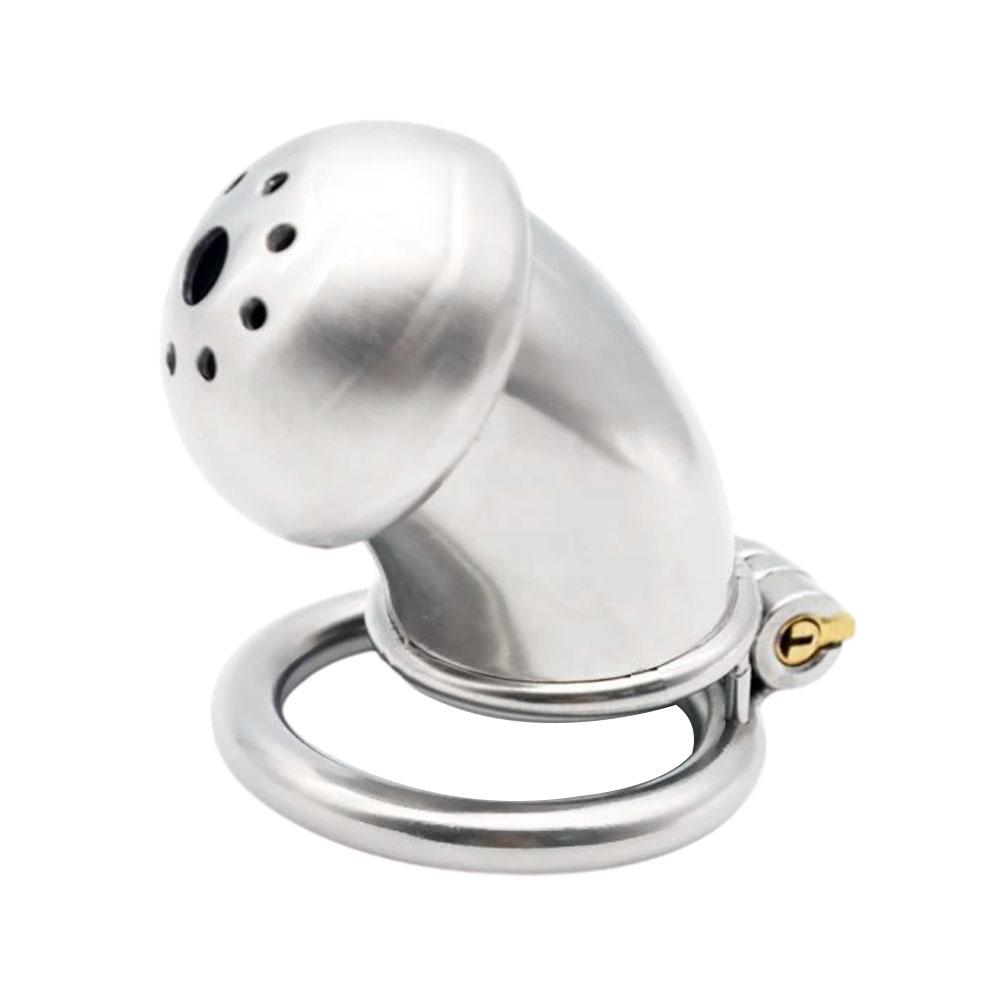
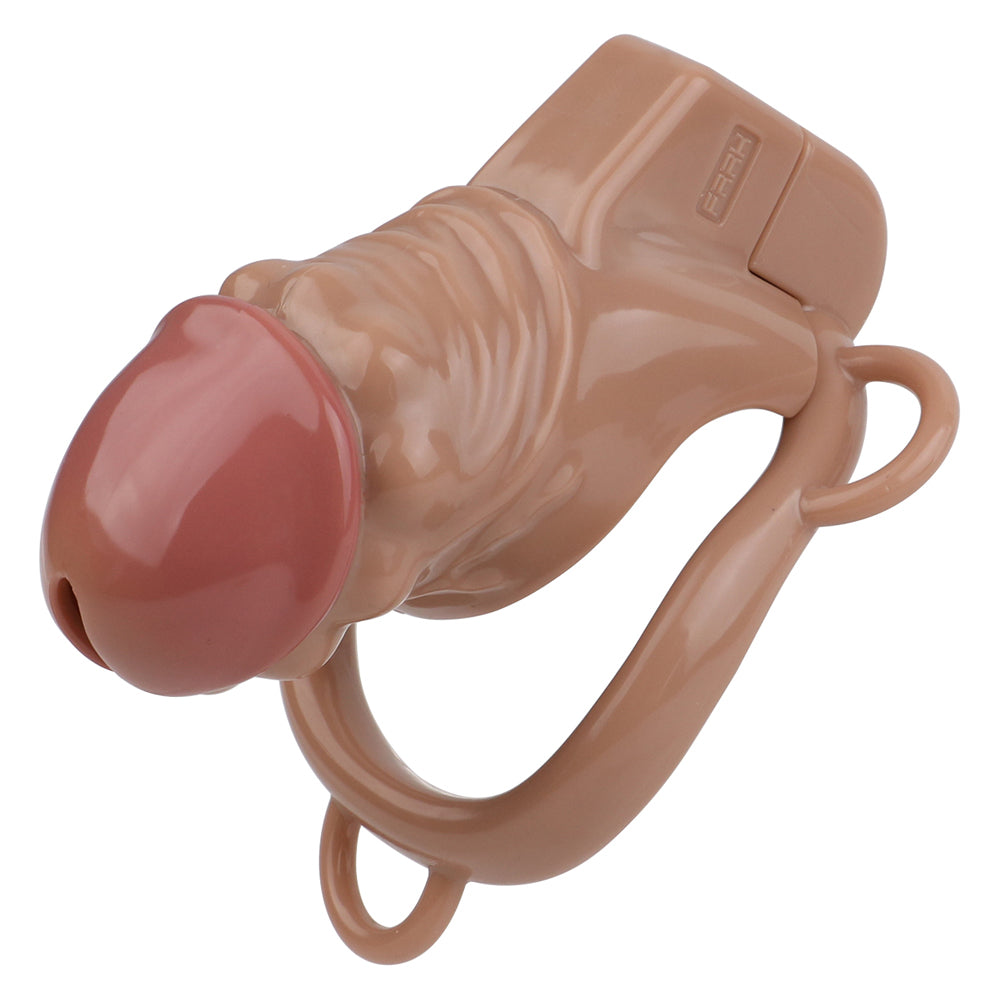
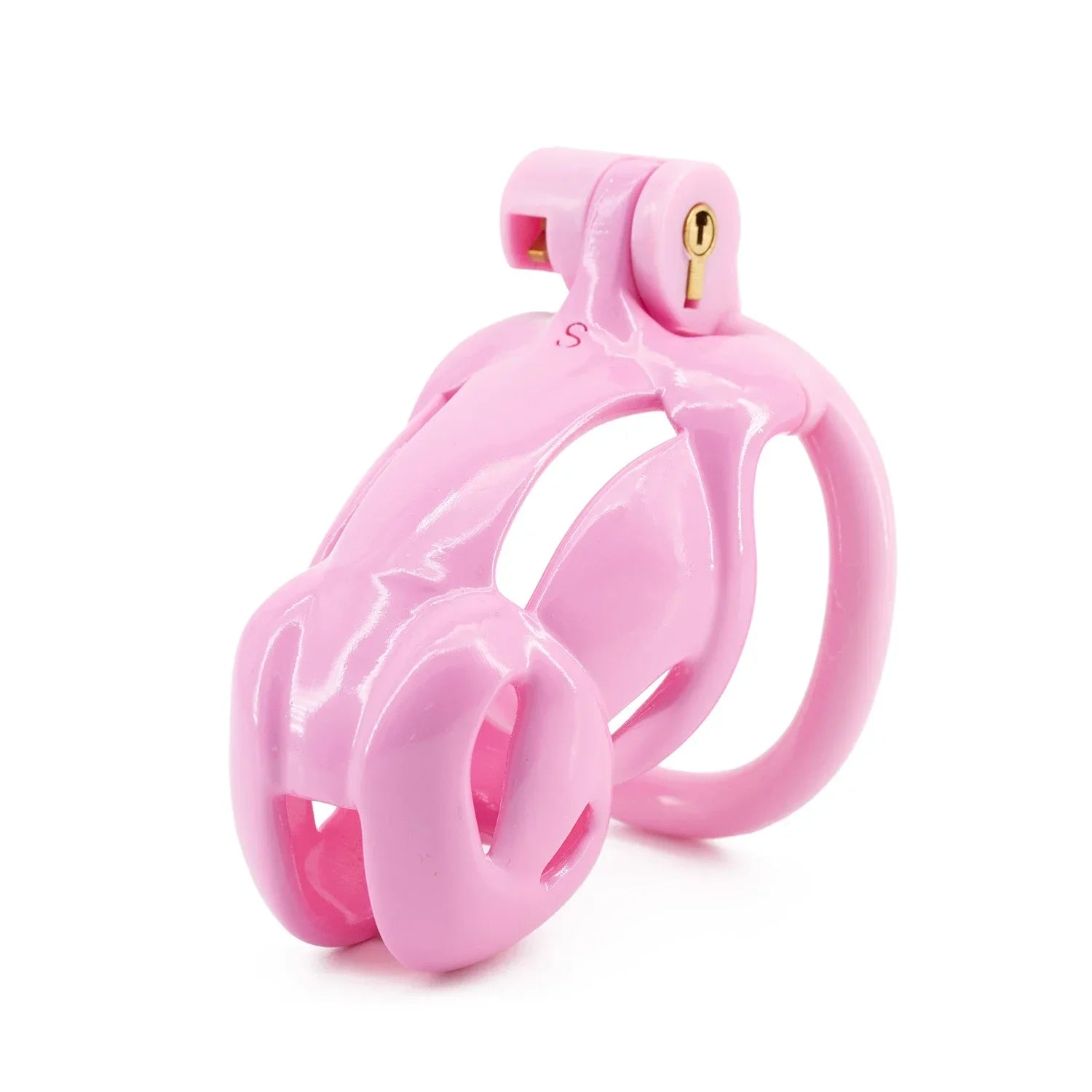
Chastity cages are made from different materials, each with its own cleaning requirements. Metal models, often made of stainless steel, are sturdy and corrosion-resistant. This makes them easy to clean with warm water and mild soap. On the other hand, resin or silicone cages require a more careful approach. These materials are sensitive to harsh chemicals. For these, use mild solutions and avoid abrasive brushes that can damage the surface. Finally, if your cage has electronic components or complex mechanisms, be sure not to immerse these parts in water to prevent malfunction.
Steps for a good cleaning
To ensure proper hygiene for your chastity cage, follow this meticulous cleaning process:
- Disassemble the cage (if possible)
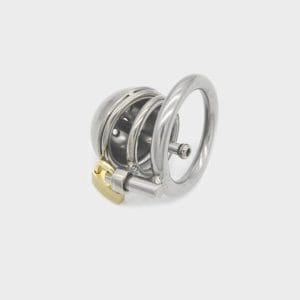
Check whether your chastity cage is designed to be dismantled. Then separate each part (rings, tube, lock, etc.) to make cleaning easier.
- Prepare the necessary tools and products
Use lukewarm water (avoid boiling water to prevent damage to certain materials) and choose a mild antibacterial soap without fragrance or harsh additives. Use a soft toothbrush for hard-to-reach areas and a clean cloth or towel for drying.
- Clean each item thoroughly
Gently scrub each piece with soap and warm water, using the toothbrush for small spaces such as ventilation holes or joints. Pay special attention to areas that come into direct contact with the skin to avoid irritation.
- Rinse thoroughly
Be sure to rinse each piece thoroughly to remove any soap residue. Soap deposits can cause irritation or skin reactions when reused.
- Dry properly
Dry each item with a clean, lint-free cloth, or leave it to air dry to prevent any residual moisture. Check that no water remains in any corners, especially in metal cages, to prevent rust.
- Thoroughly disinfect (optional)
If you want to disinfect more thoroughly, use a sterilizing solution that is suitable for the material of your cage, such as a diluted isopropyl alcohol solution or a specific product for intimate accessories. Apply the solution, then rinse thoroughly after disinfection to avoid skin contact with chemicals. Note that plastic and silicone are materials that require more thorough cleaning to prevent moisture buildup.
Maintaining and storing your chastity cage
Cleaning is not limited to washing. Proper maintenance also includes proper storage. After each use and cleaning, store your chastity cage in a clean, dry, dust-free place. Use a dedicated case or pouch to prevent scratches or damage. If you do not plan to use it for a long period of time, apply a thin layer of water-based lubricant to the metal parts to prevent oxidation. Finally, regularly inspect your cage for signs of wear, such as cracks or sharp edges, which could compromise its safe use.
